
Is Plumfield
Academy a Christian School?
Yes. As a Charlotte Mason school,
Plumfield Academy provides a Christian alternative to traditional
Christian schools, public education, and private independent schools.
Our philosophy of education is rooted in the words and deeds of
Christ, who is for us Eternal Wisdom and the Teacher of all teachers.
He says, “Learn from Me, for I am meek and humble of heart.” He is our
example of what it means to live a free, loving, and authentic human
life. His gentle Holy Spirit is the source of Plumfield’s gracious
atmosphere.
See:
Philosophy of Education
How will my
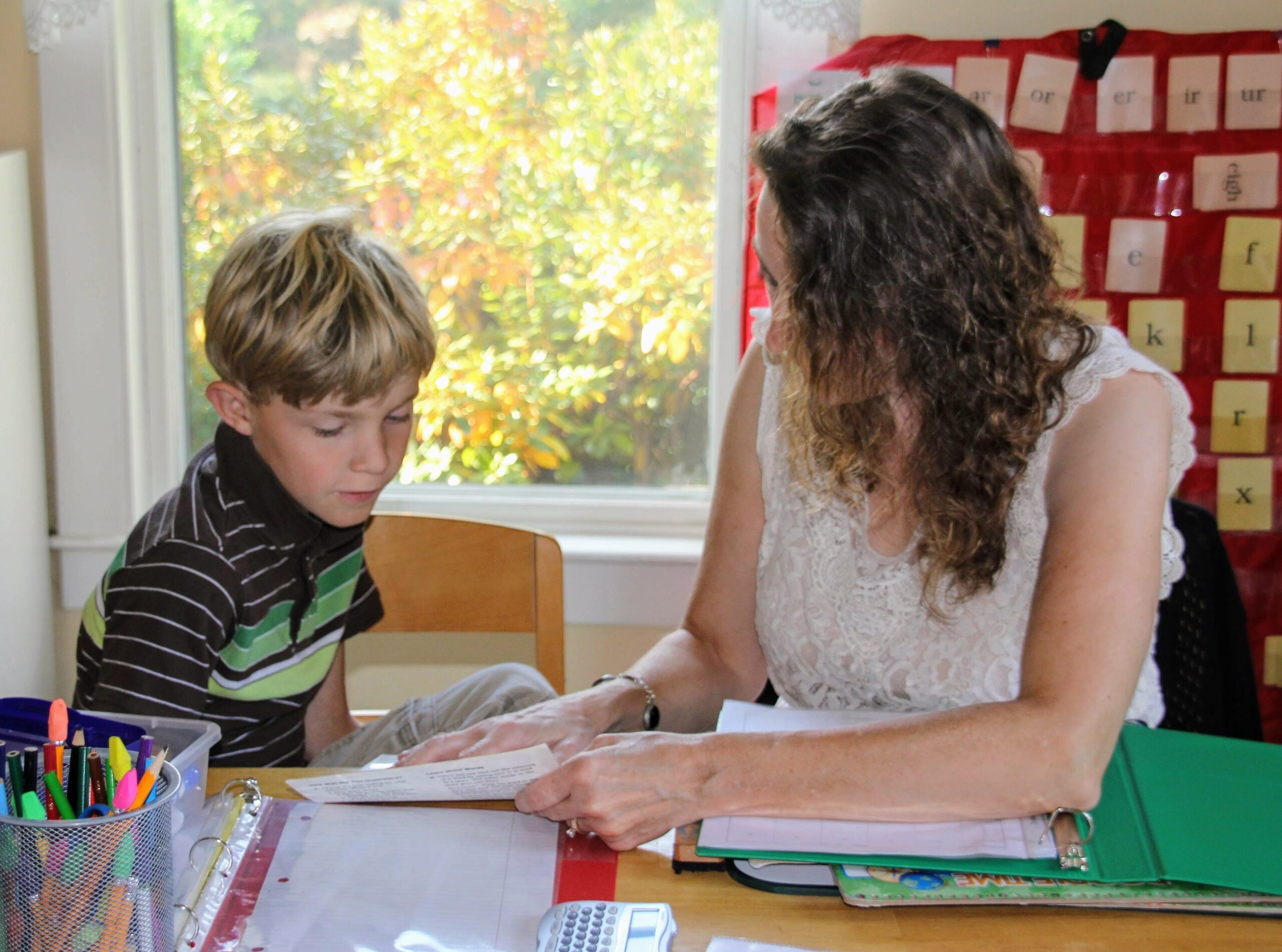
child be taught? Your child
will be put into direct contact with great thinkers through well
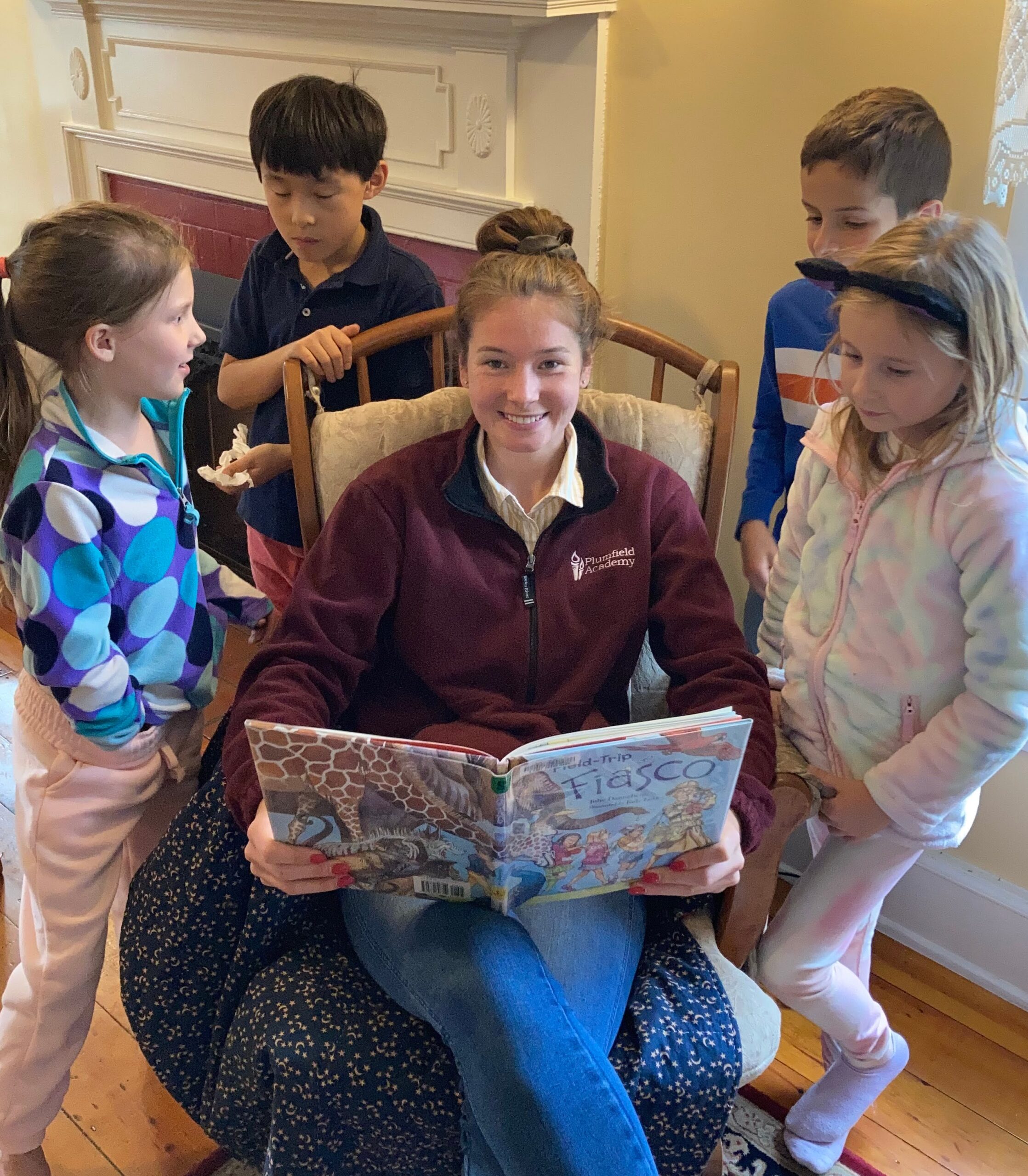
written books. Our teachers will read to and with your child from
classic children’s literature, Great Books, and works written by experts
in their field. Through these “living books,” your child will
interact with historians, biographers, philosophers, novelists,
explorers, scientists, poets, and artists.
See: Great Books/Book List
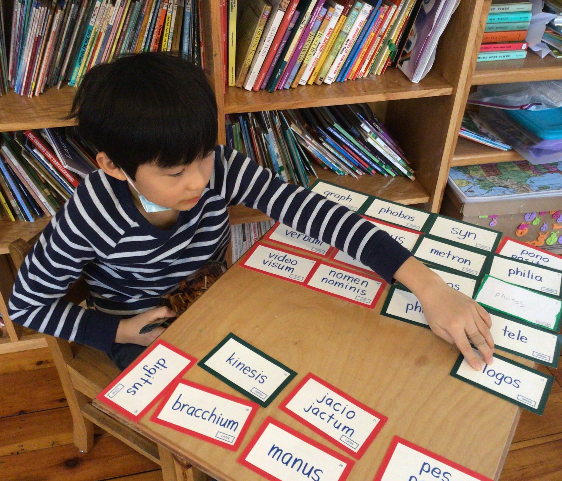
In addition to a stimulating “living books” curriculum, your child will
be taught by specialists in art, music, drama, writing, Spanish, nature
study and handicrafts.
See: Faculty
Why do you use classic children’s
literature and Great Books?
For most of the elementary years, a child’s intellectual capacity will
far exceed his or her skill level. A child must be read to by a caring
adult from our best books if his/her mind is to be fed. Children
who only read books on their reading level will be intellectually
impoverished. At Plumfield, your child will be exposed to high quality
language and ideas by being read to by his/her teachers. At the same
time, he or she will practice the essential skills of silent and oral
reading, spelling, writing and typing on a daily basis. In this way,
your child’s intellect will be fed while the basic skills are mastered.
How will my
child be tested? Your child
will be tested by telling what he or she knows through
written or oral narrations. Each period of reading or observation will
be followed by a time of
telling. At the end of a unit or term, your child will write (or
dictate) essay exams covering what has been learned in all areas of
study. Narrating in all subjects will train your child in two
essential life skills: observation
and communication.
See: Mason Methodology
How will my
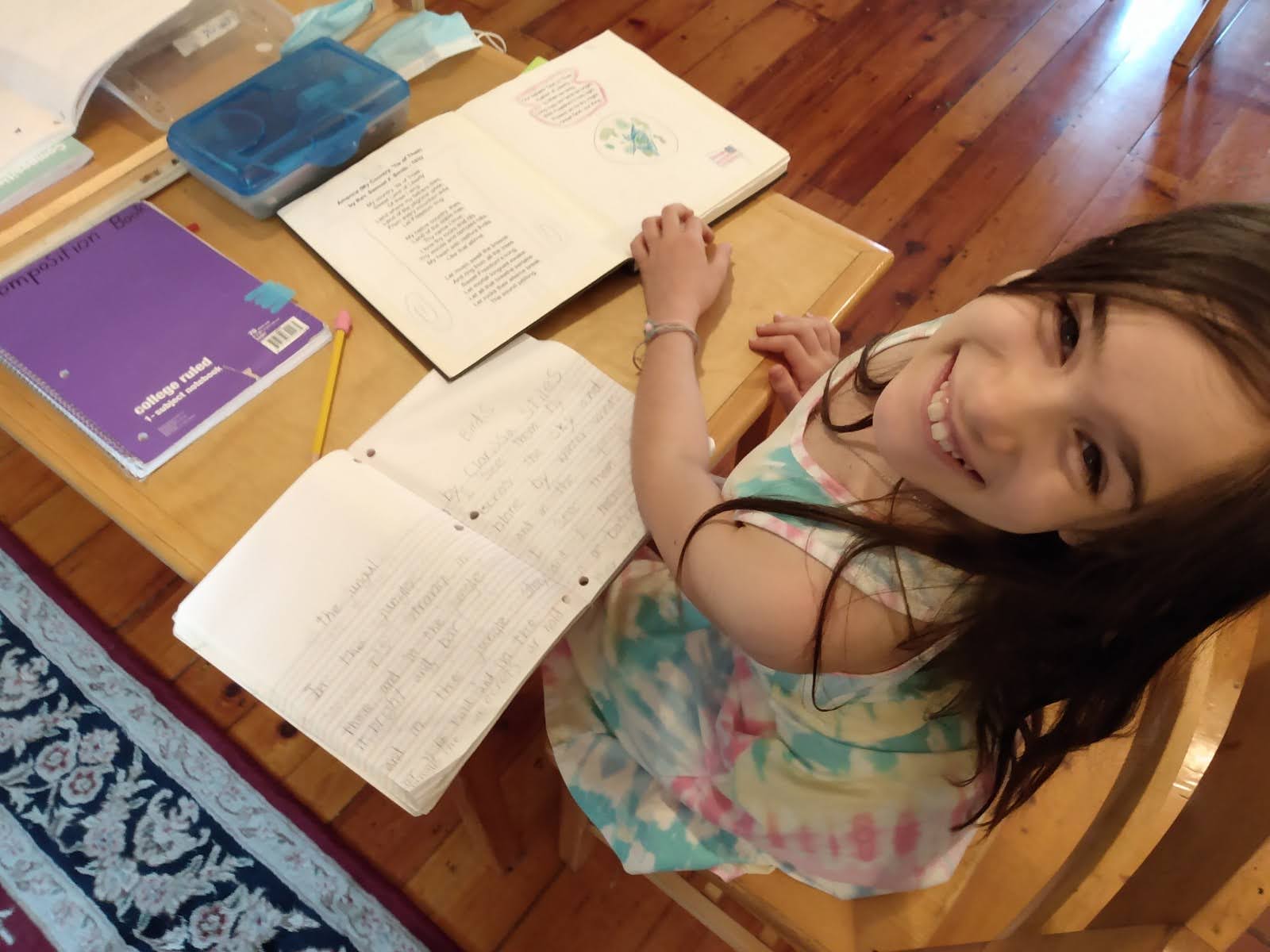
child learn to write? As a
developing writer, your child will be provided with a rich array of
stories to
work on. He or she will reconstruct fables, myths, Bible
stories and exciting historical narratives. Your child’s creative
writing will flow from this rich exposure to characters, themes, and
language.
See: How We Teach Writing
What
opportunities will my child have for “hands-on” learning?
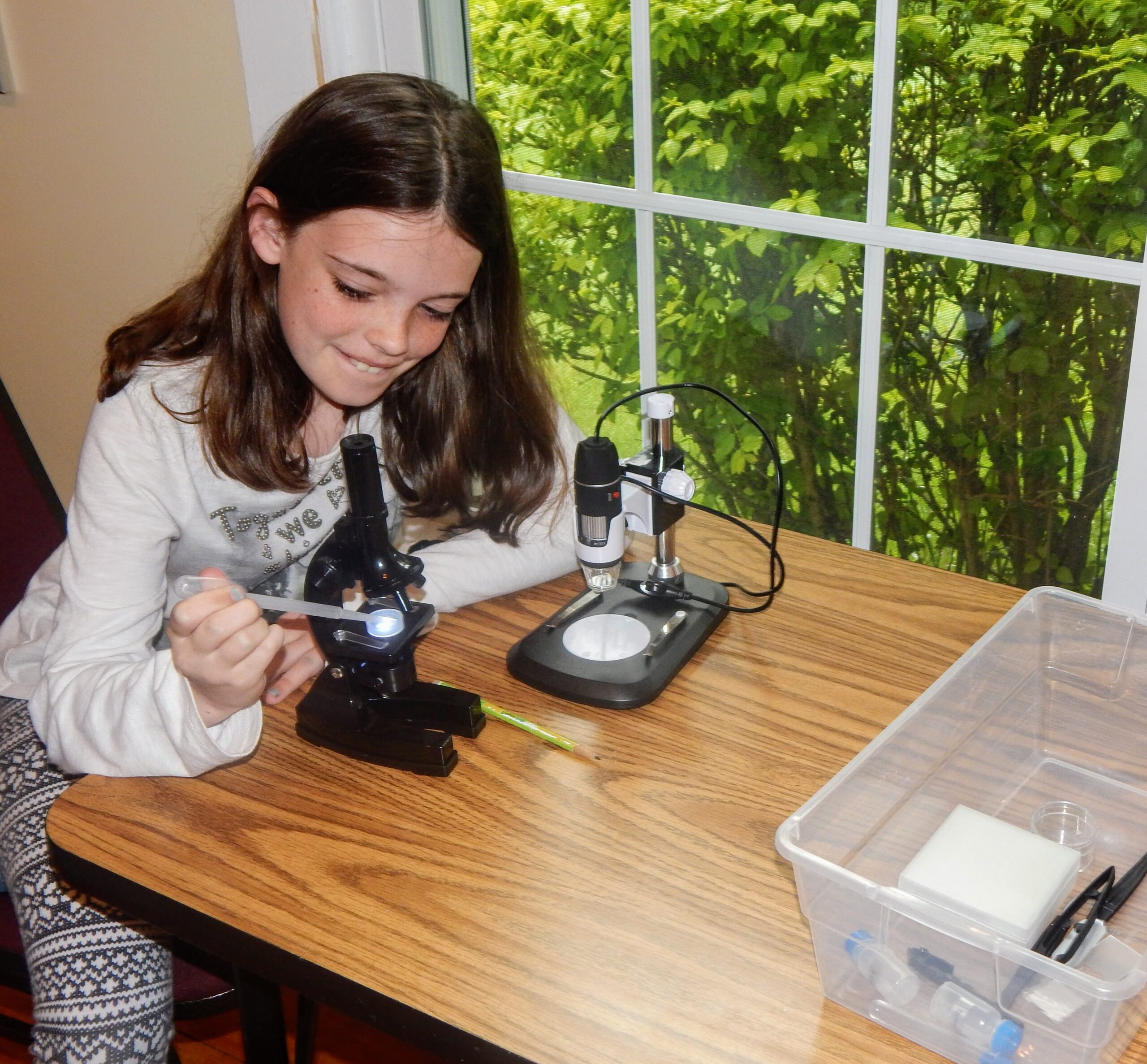
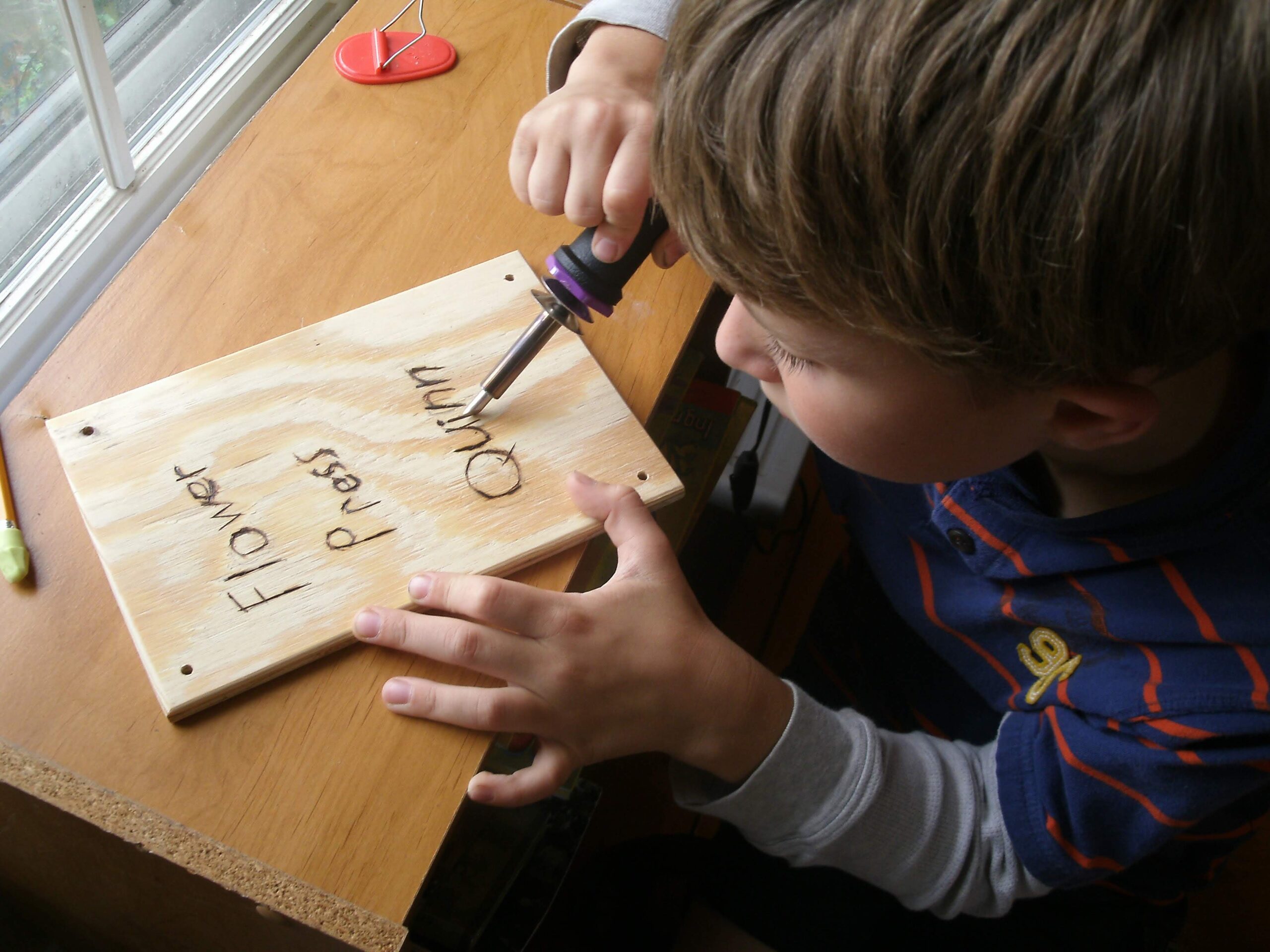
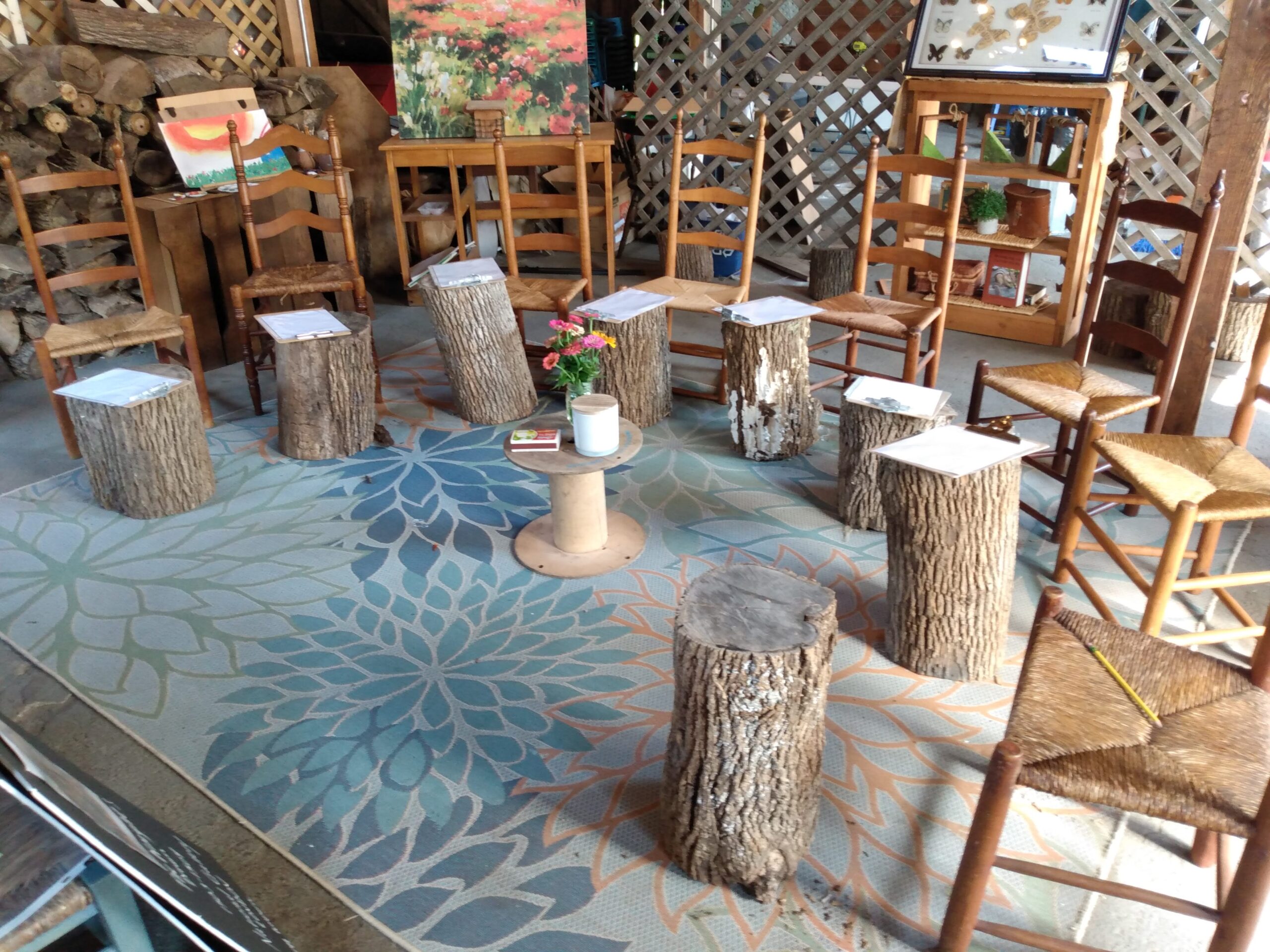
Your child will work with wood, clay, stones, tiles, yarn, and fabrics
to make lovely and useful handcrafts. He or she will utilize materials
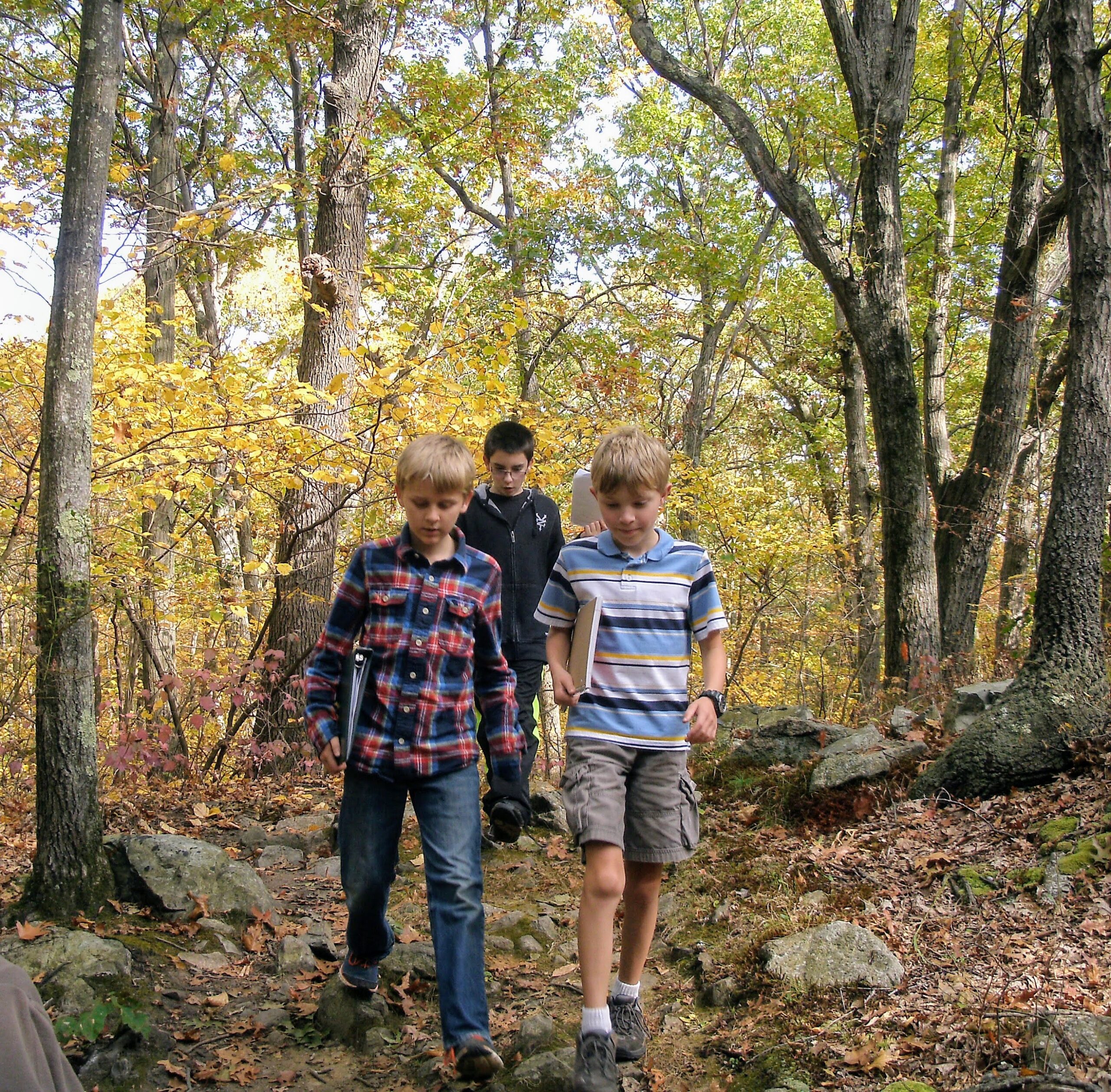
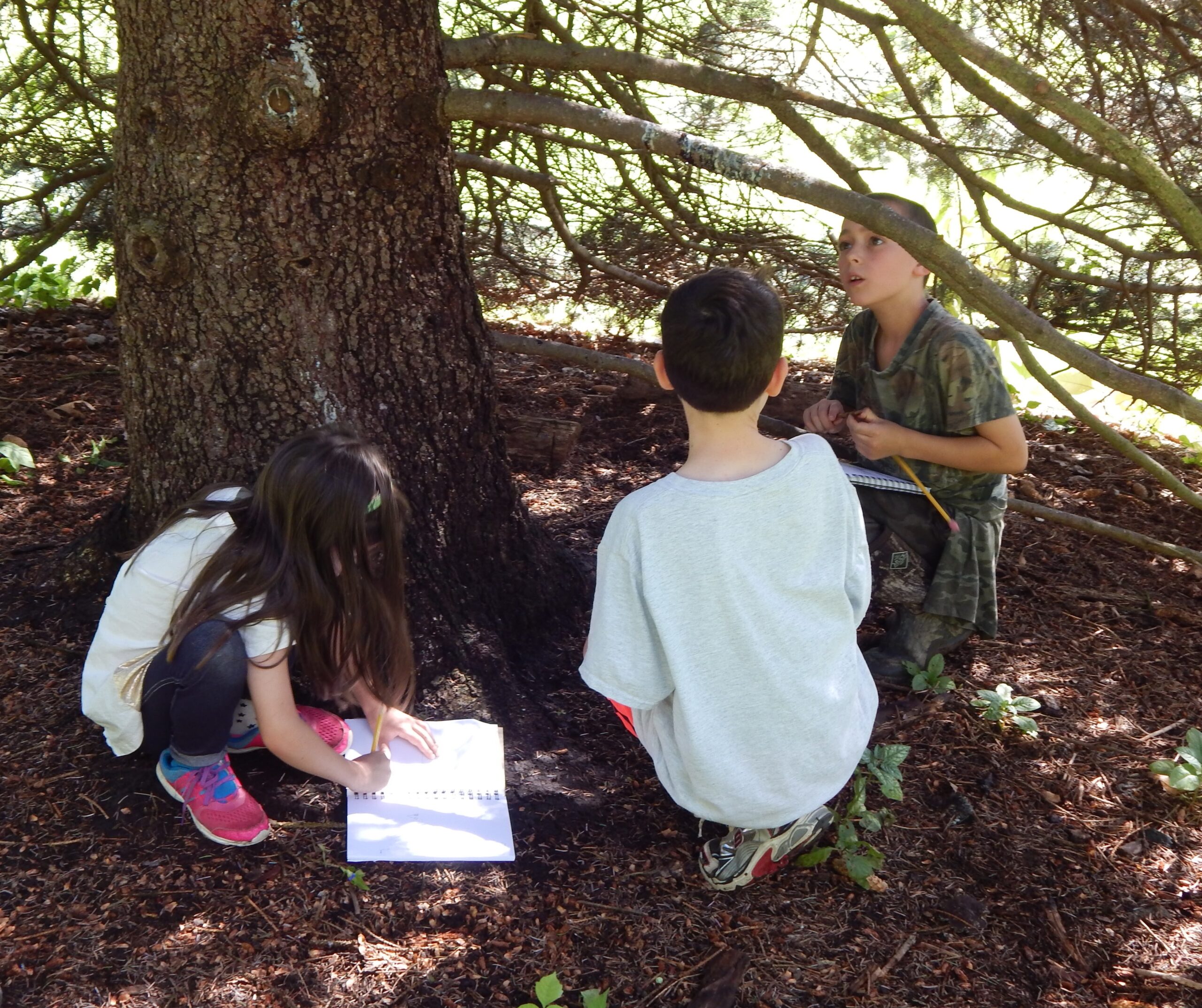
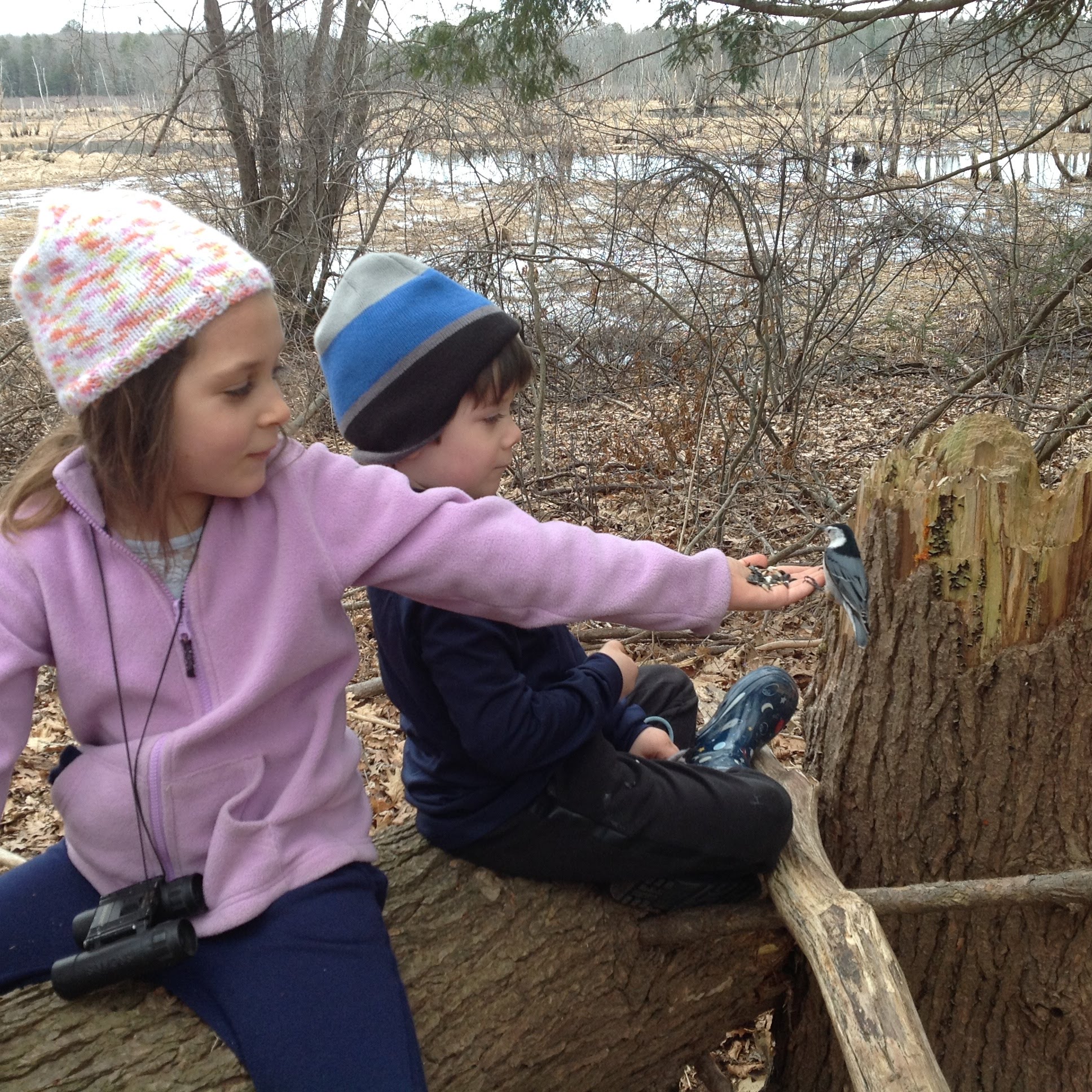
and manipulatives for hands on science and math. In nature study,
your child will explore the world of insects, animals, trees, rocks,
streams, and rivers.
What does a day
at Plumfield look like? The
day begins at 8:30 and ends at 2:30. Students meet in small
classes (8/1 student/teacher ratio) to study traditional subjects.
Opportunities for individualized work and creative learning are woven
into the day.
See: A Day
at Plumfield
What is the role
of the teacher? The
teacher provides access to great authors, artistic materials, and
nature, and
refrains from hindering your
child’s work with long and unnecessary explanations. In Charlotte
Mason’s approach, the teacher assumes the role of philosopher and
guide. See: The
Gentle Art of Education
What habits will
my child learn? We will
support your child in developing the essential habits of attention,
excellence, curiosity, humility, accountability and order. When these
are in place, so is everything else.
See: Essential Academic
Habits
Will my child be
ready for interactions in the real world?
Because we emphasize the development of
relational habits, your child will grow in self knowledge and confidence
and will leave Plumfield with a unique set of interpersonal skills.
We will provide your child with strategies for expressing his/her
feelings and point of view, and for listening to the feelings and points
of view of others. By living in a learning and playing community, your
child will experience the effects of right and wrong behavior, and learn
the wisdom of mercy and forgiveness. If a conflict arises, he or she
will be helped to work through the relational issue. Dealing
directly with relational distress will leave your child free to focus on
his/her academic work.
See: Relational Habits
How will my
child be motivated to learn?
Your child will be guided to work for
the pleasure of learning and the reward of producing a product he/she
can be proud of.
See: Brain Study on Rewards
and Motivation
What is your
policy on homework? We do
not assign traditional homework for students in grades 1-7.
The evening hours are used to
address academic needs specific to each student.
See:
Homework Policy
What about
negative peer pressure?
Our students testify to the absence of peer pressure which leaves them
free to focus on their academic work See:
What Students Say
What is your
policy on recess?
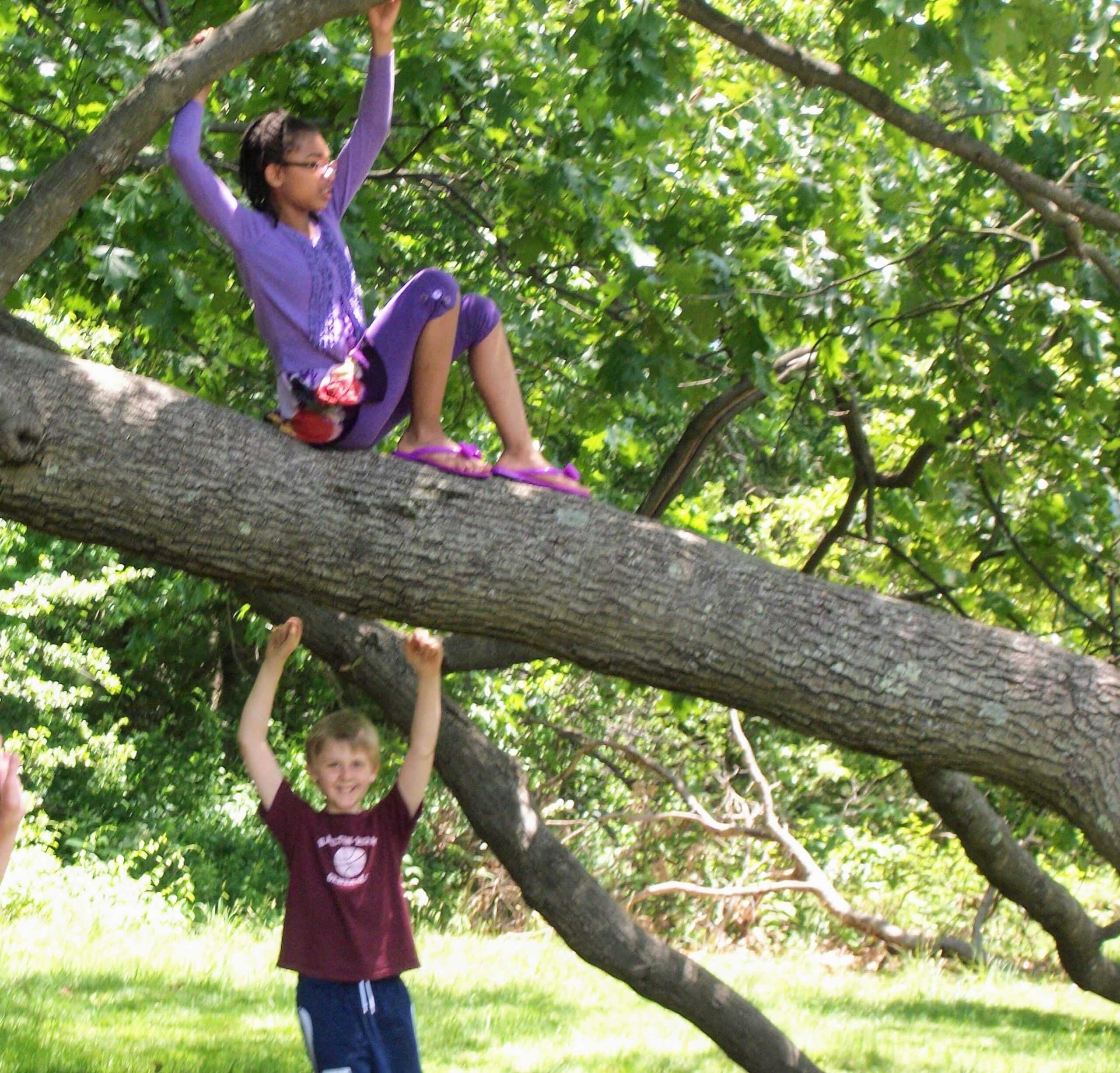
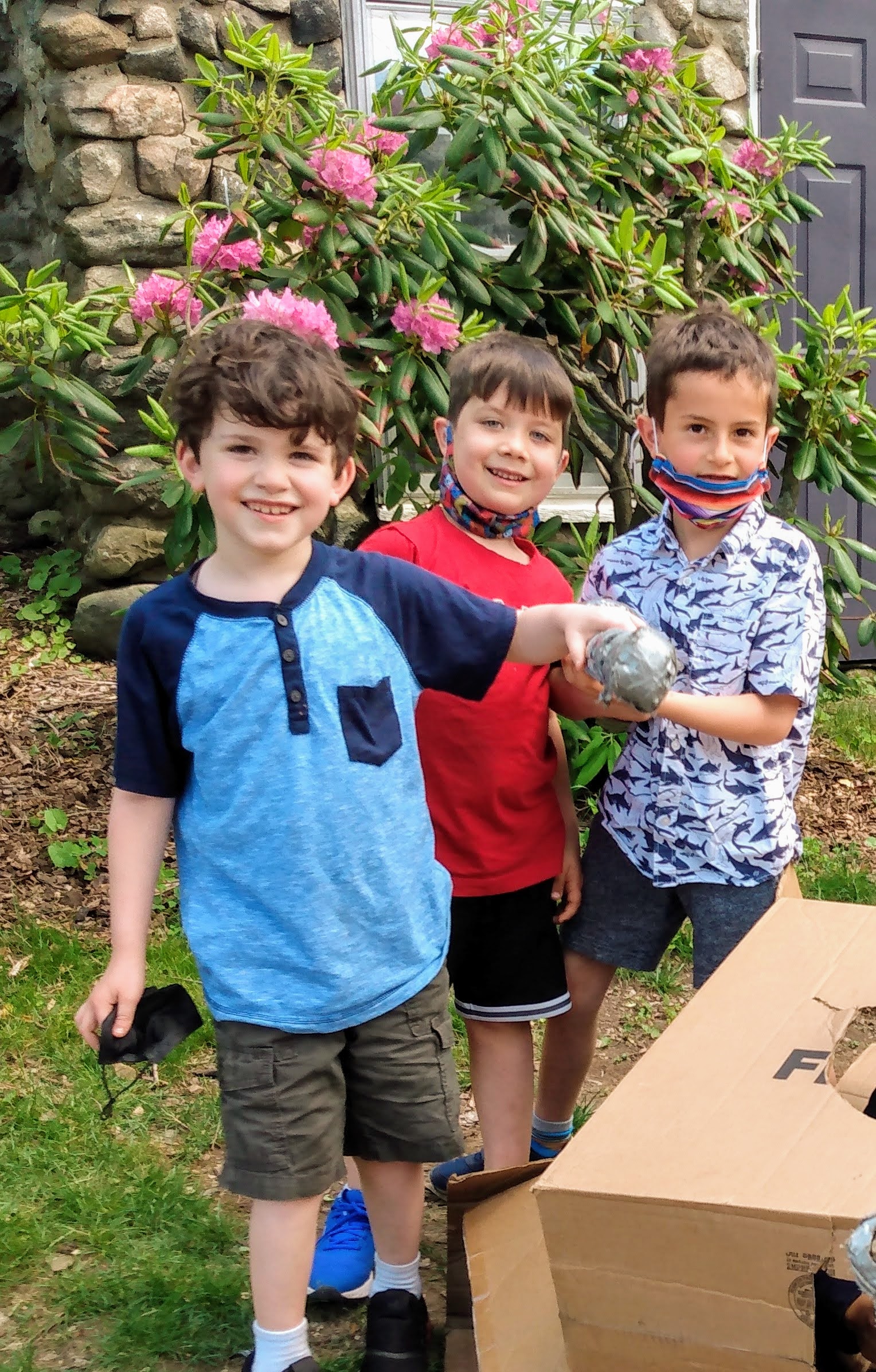
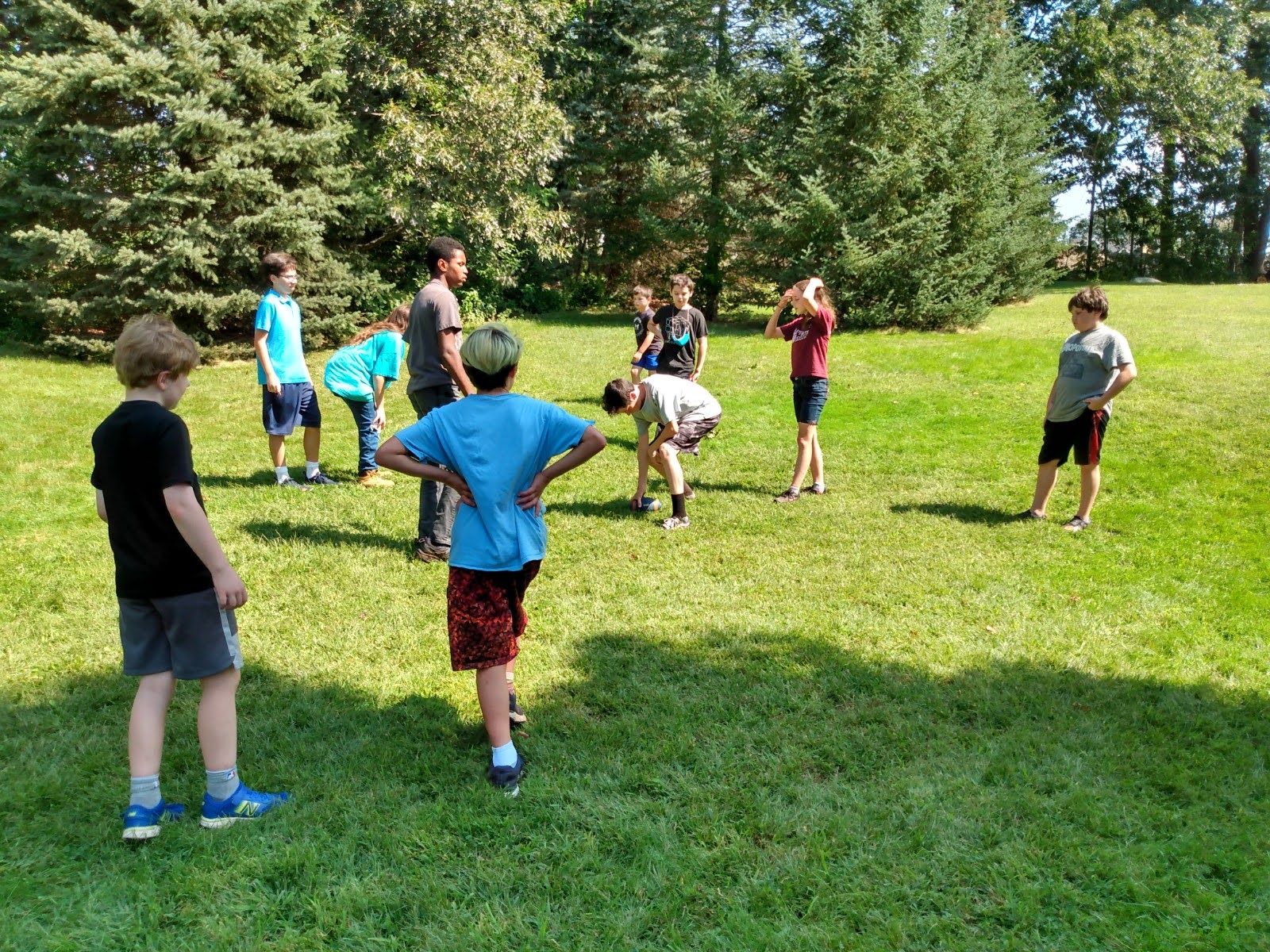
Plumfield believes in old fashion (child driven) play time.
Our students play outdoors as children
played in the 1950’s. They play freeze tag, hide and go seek, capture
the flag, jump rope, and soccer; they initiate games of imagination
which can go on for days. Our students wear comfortable clothing
which allows them to sled, build forts, and run up and down the hills.
They are very active in all seasons. We understand that recess is
a need for a child, not a luxury. To that end, our students
are given one hour of personal time each day.
What are some of
the things you do to build community?
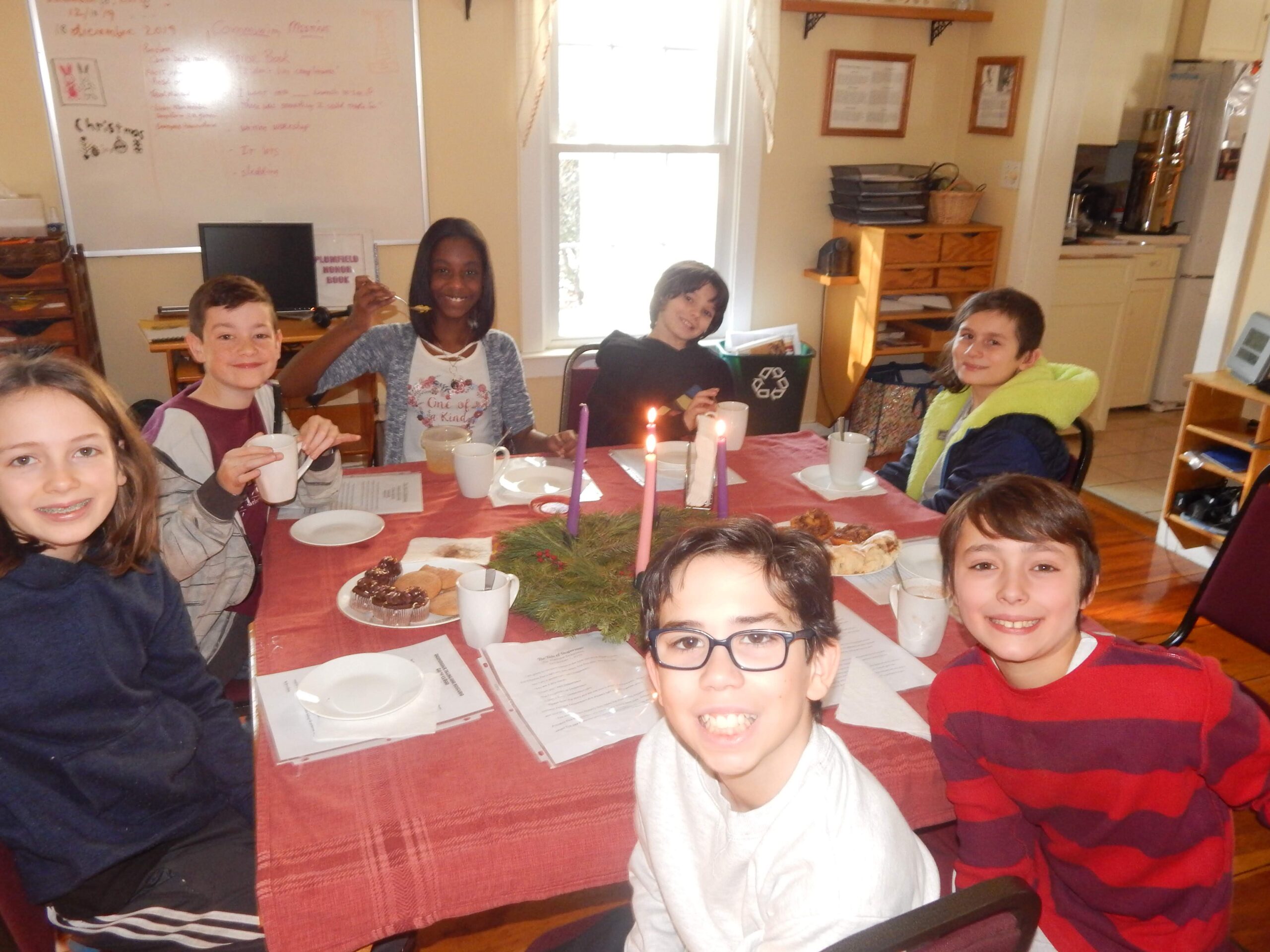
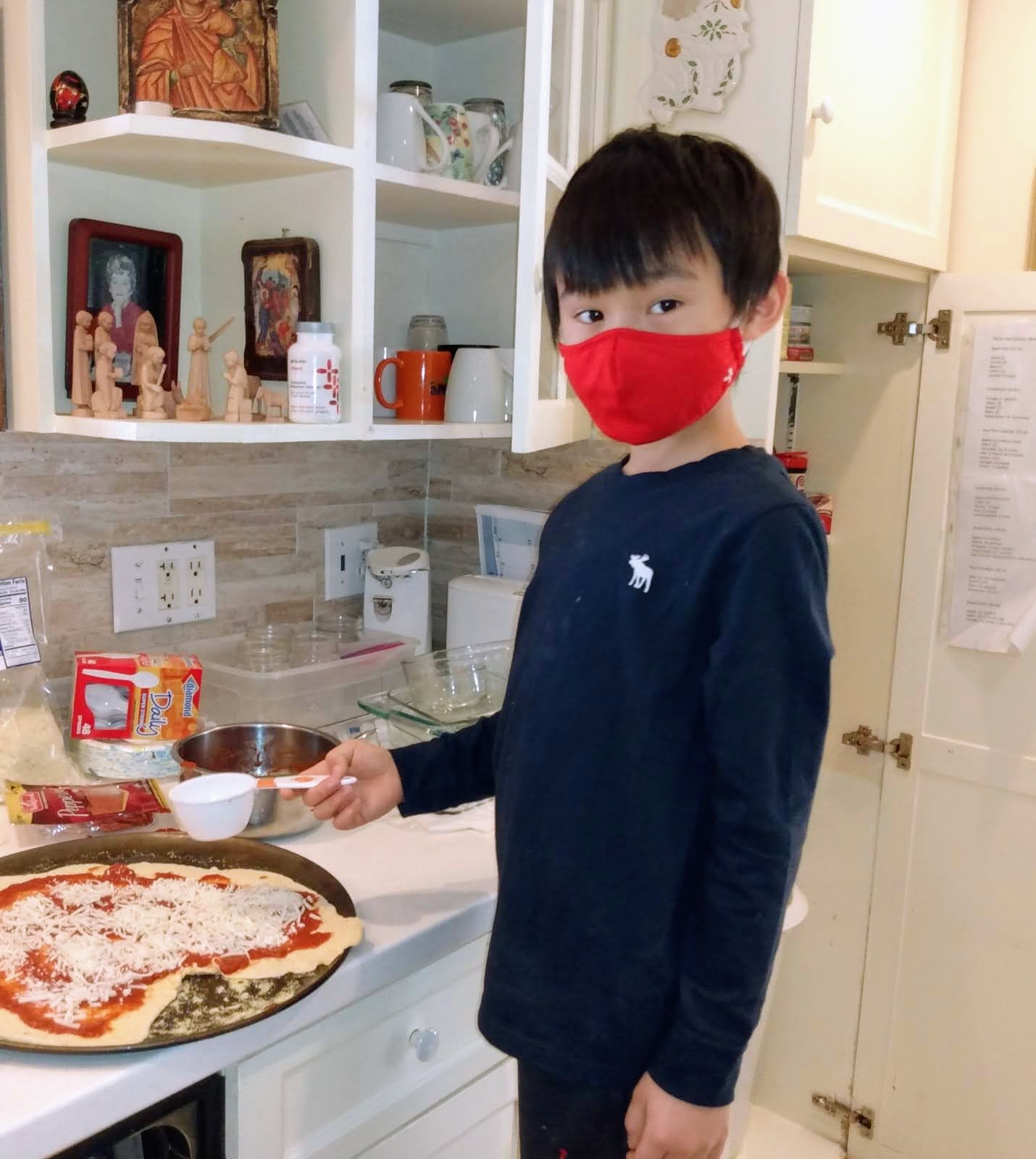
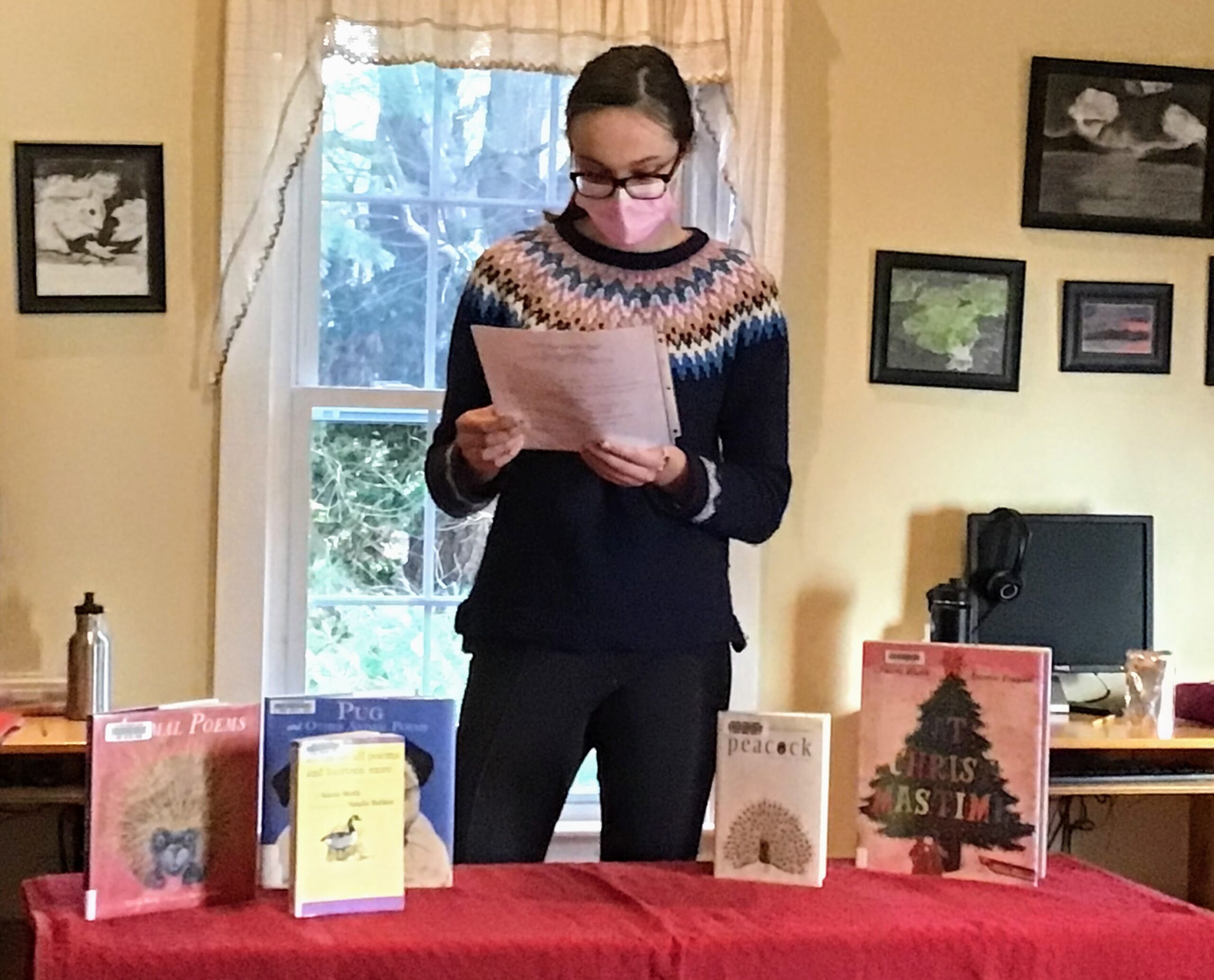
We celebrate each child’s birthday with cake and candles. At Literary
Luncheons, we eat homemade pizza and discuss the literature book we just
completed. During Writer’s Tea, students share blueberry pie and read
their literature papers to each other. St. Patrick’s Day means corn beef
and cabbage, homemade breads, and Irish dancing. To celebrate the
Seder Meal, students learn Hebrew songs, decorate the tables, and
prepare all the elements of the meal. Every Friday afternoon, the
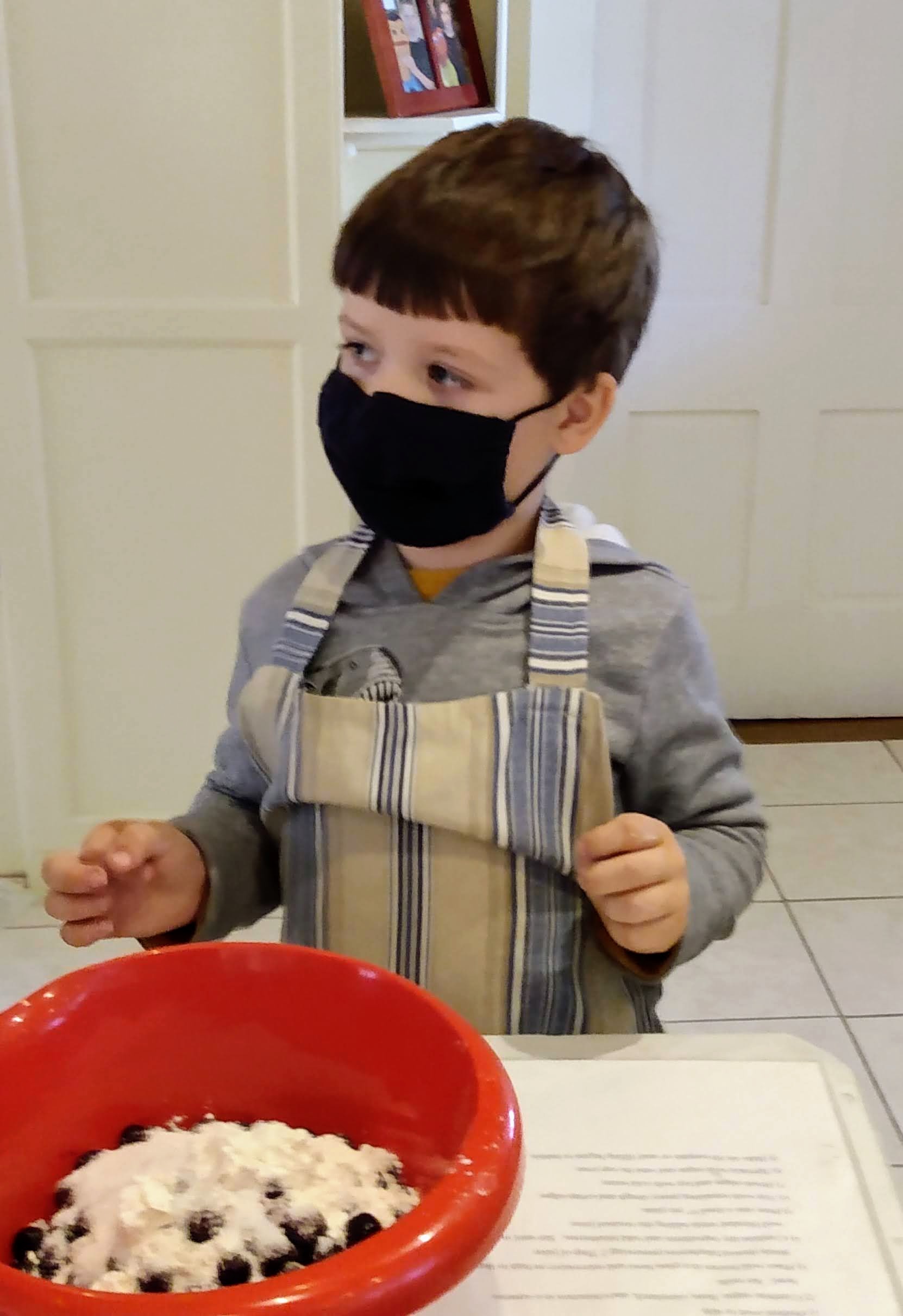
primary grades bake different kinds of cookies. These are the
simple traditions that make life sweet for children and leave them with
delightful memories.
How is school
experienced by Plumfield students?
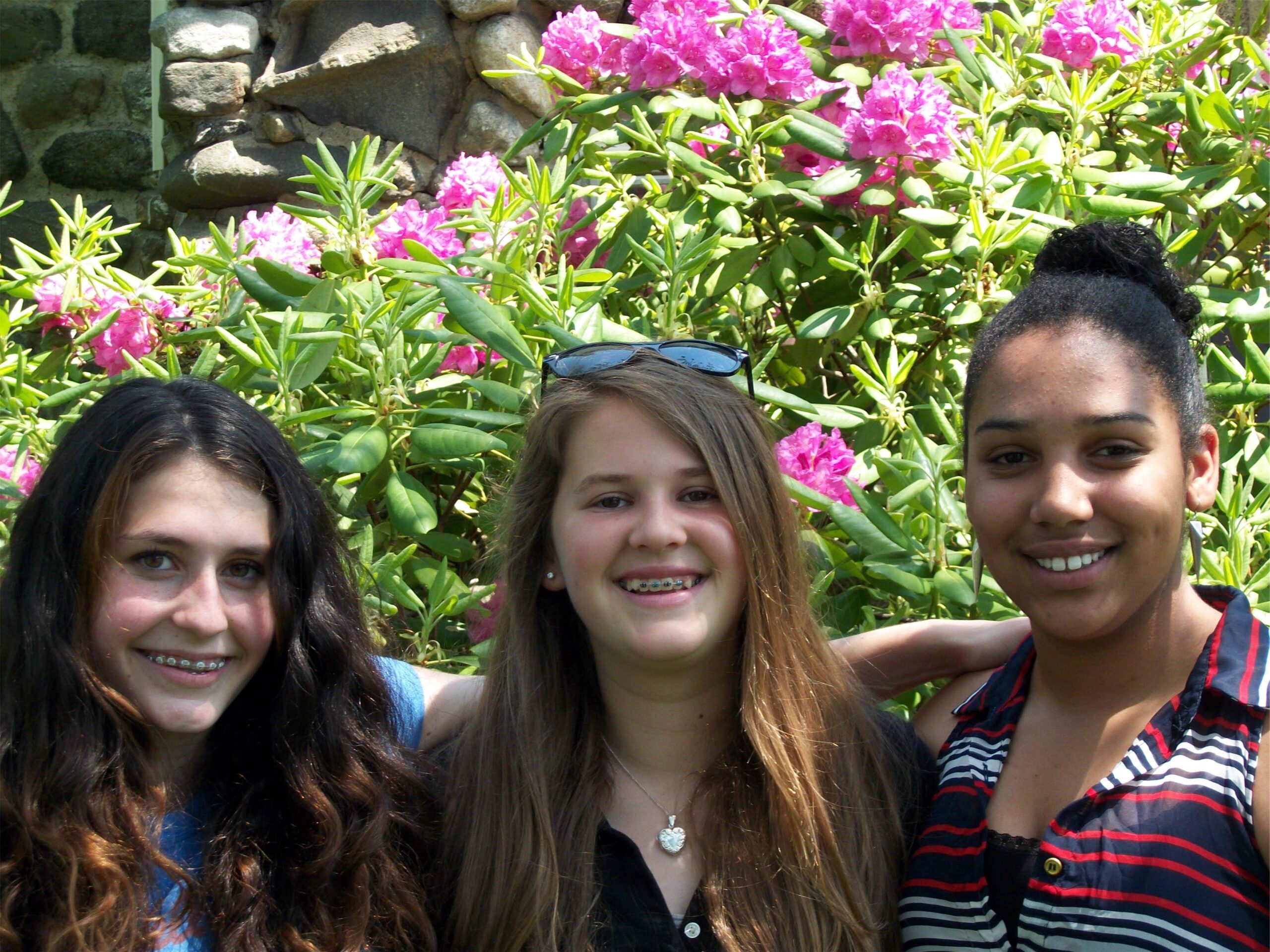
Our students are happy to come to school each day.
They actively engage in their academic work and claim the time
passes quickly. Our students do not end the school day dragged out and
depleted, but energized.
See: What Parents Say
What if my child
has already been harmed by academic or social pressures?
It’s not too late. Our philosophy
of education restores equilibrium.
Children who begin attending Plumfield feeling oppressed and out of
sorts generally regain their happiness and sense of balance in a short
period of time.
What is the
environment like? Our
environment is intimate, healthy, and invigorating.
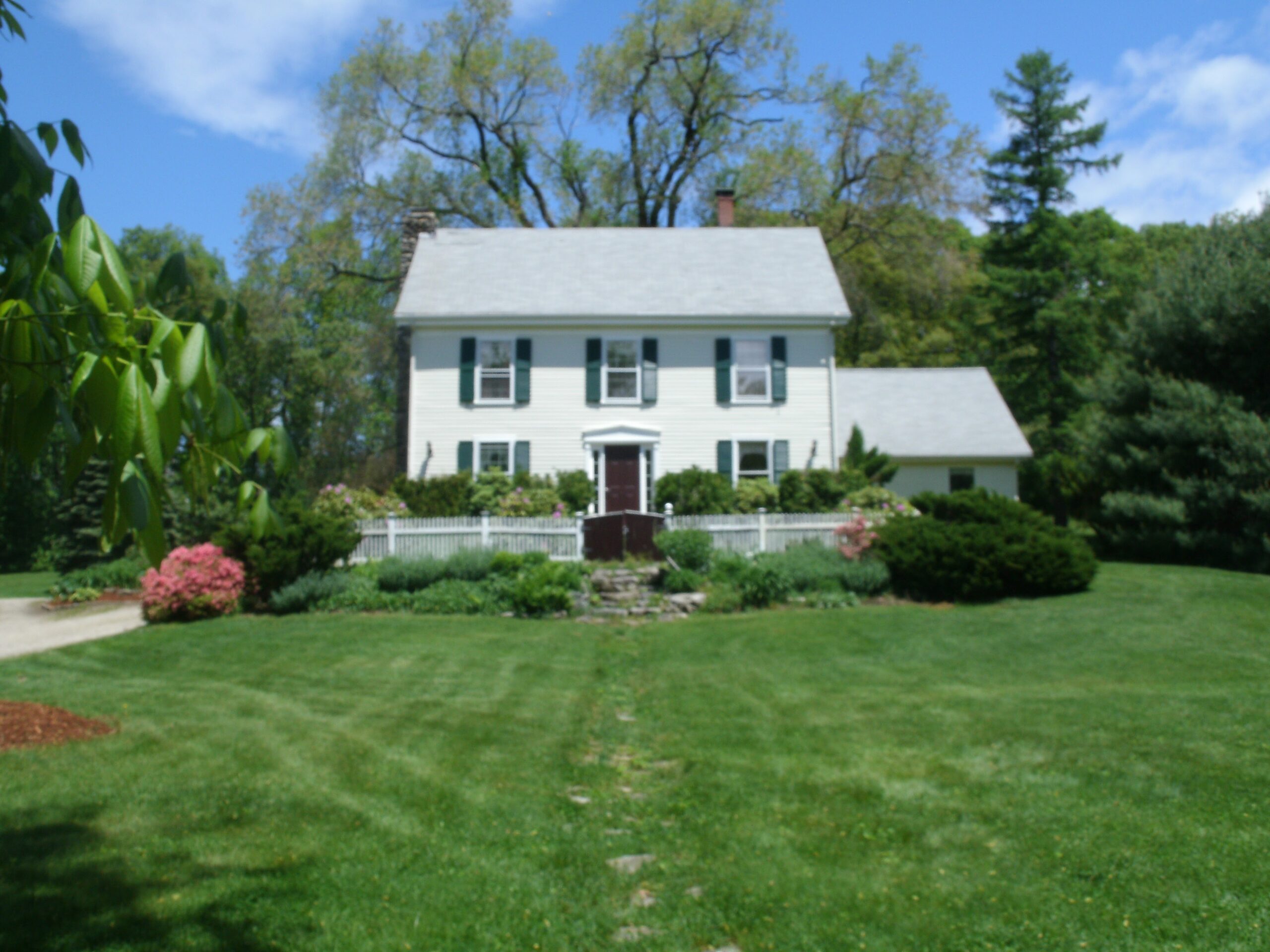
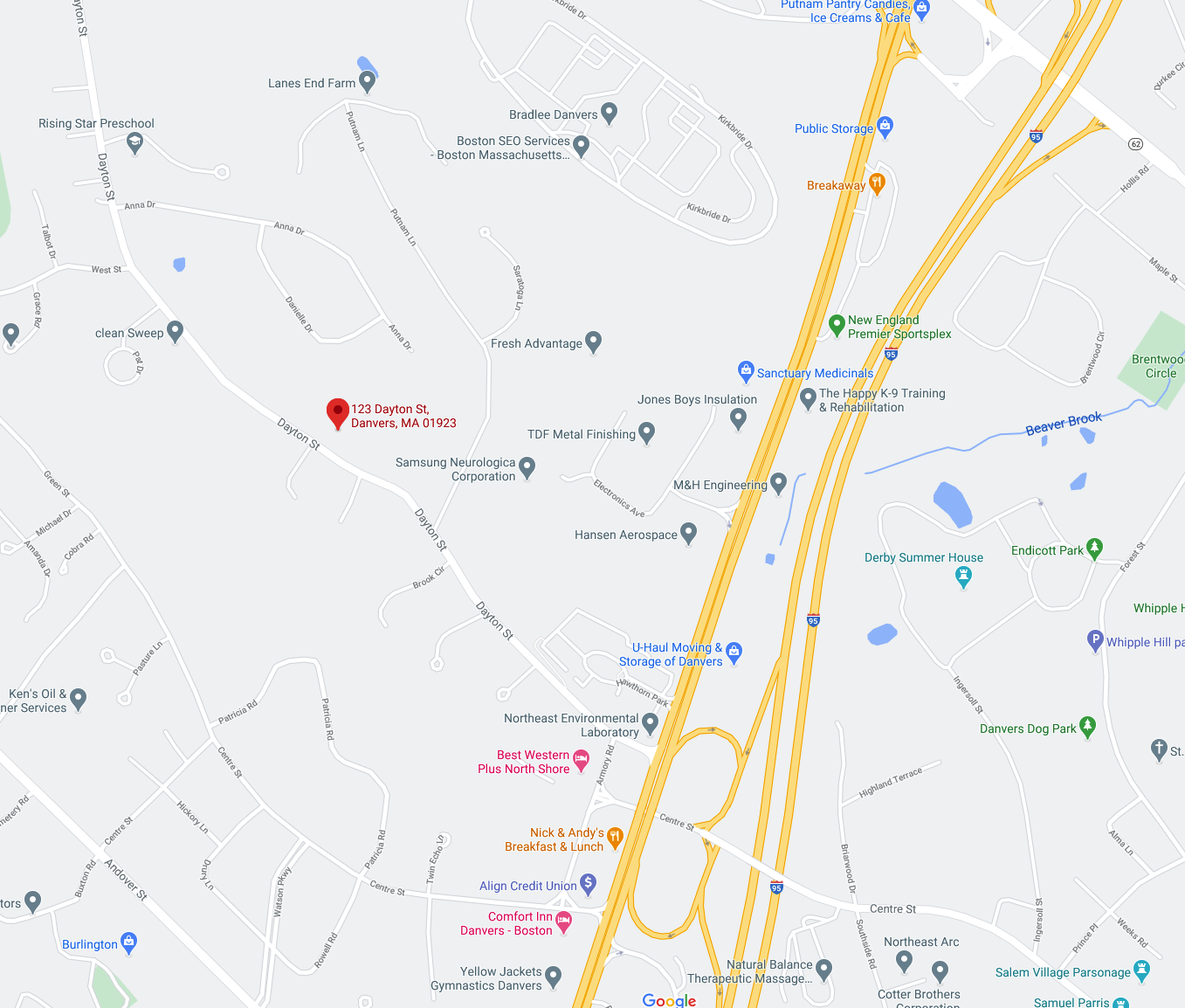
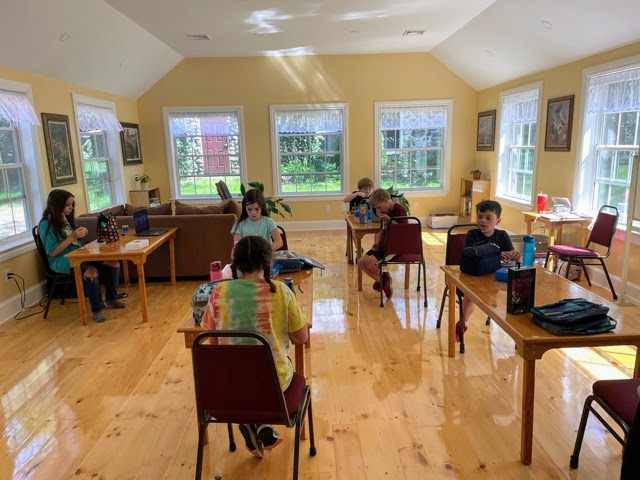
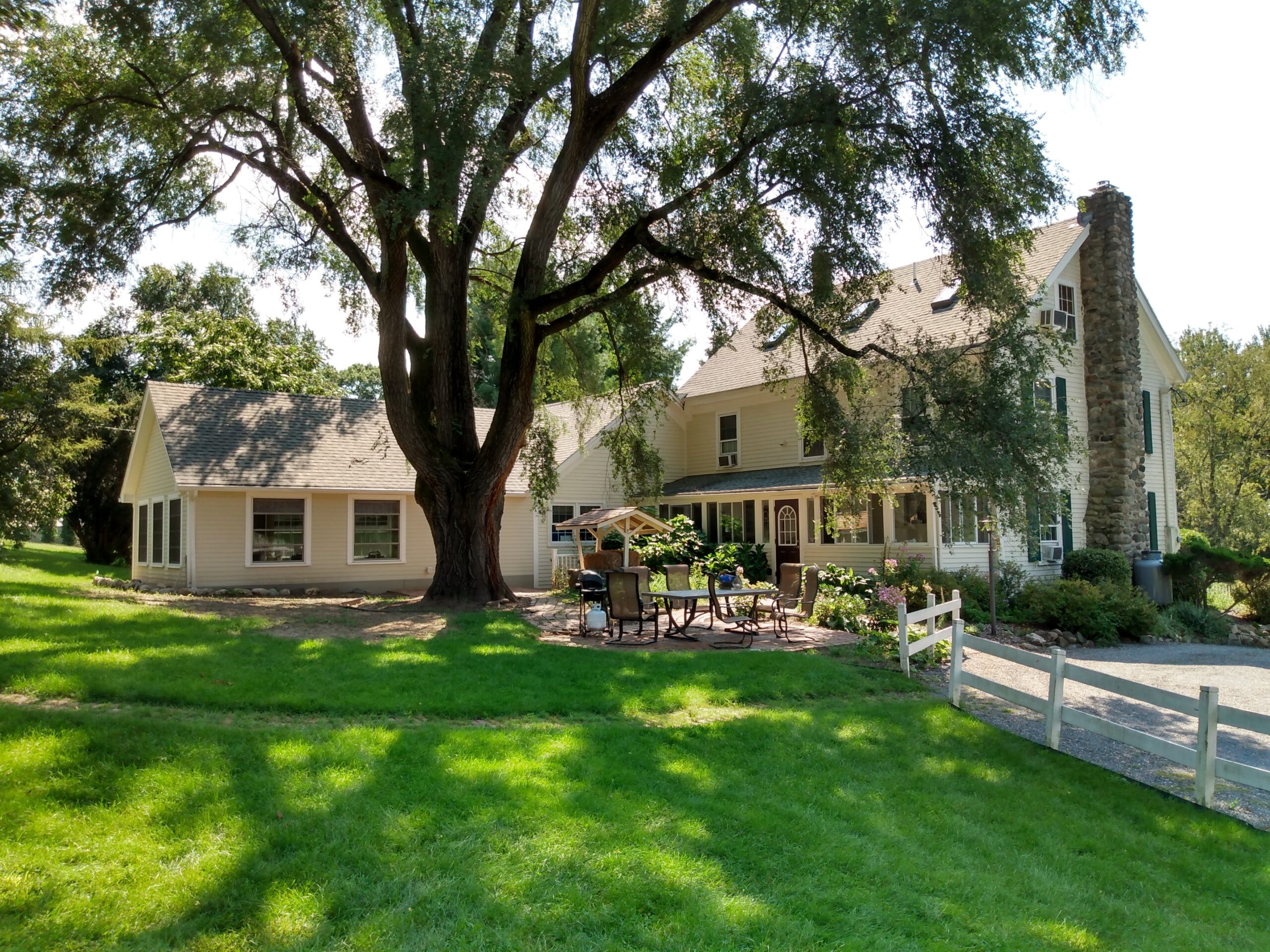
Our twenty four students meet in a large farm house built in 1875.
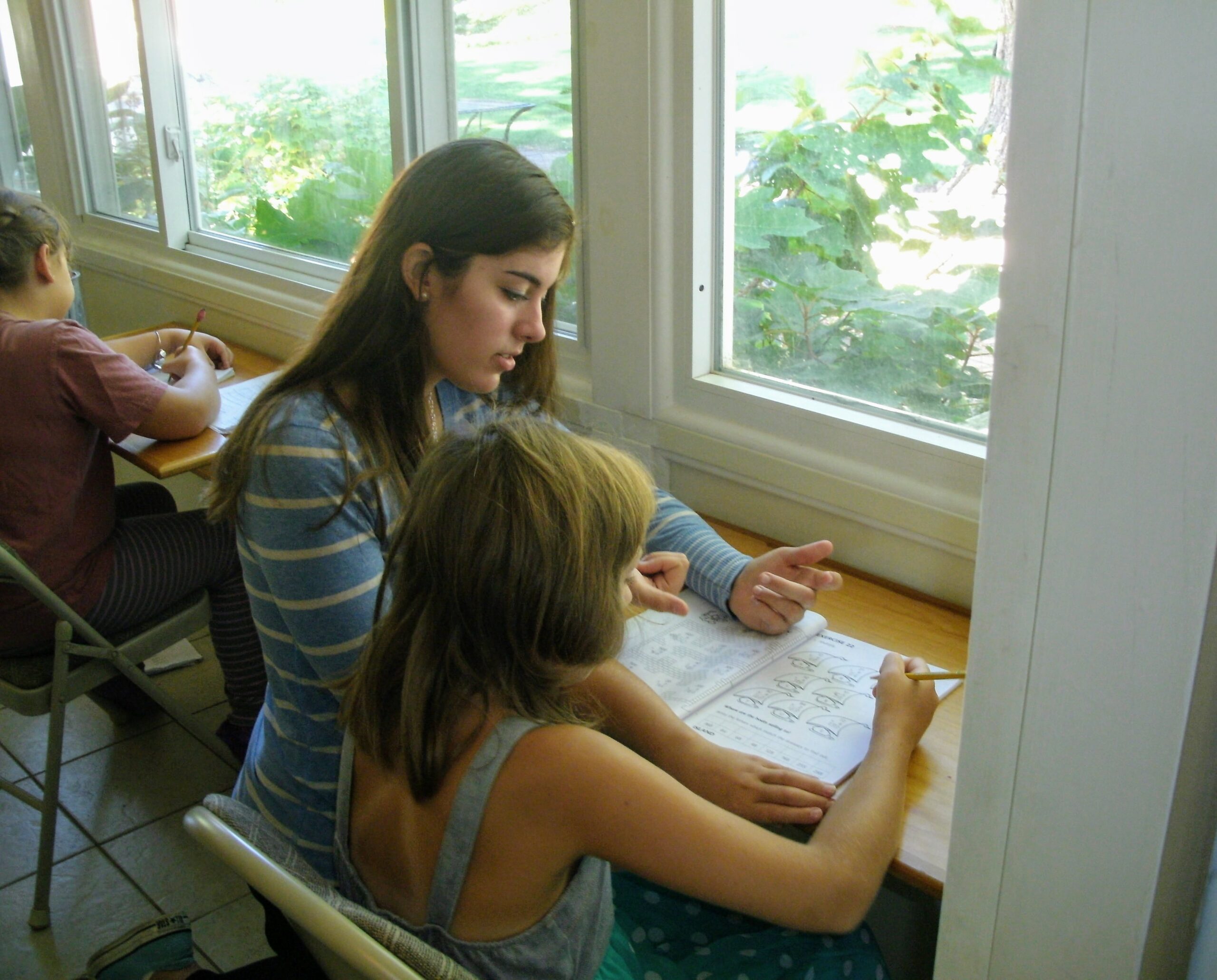
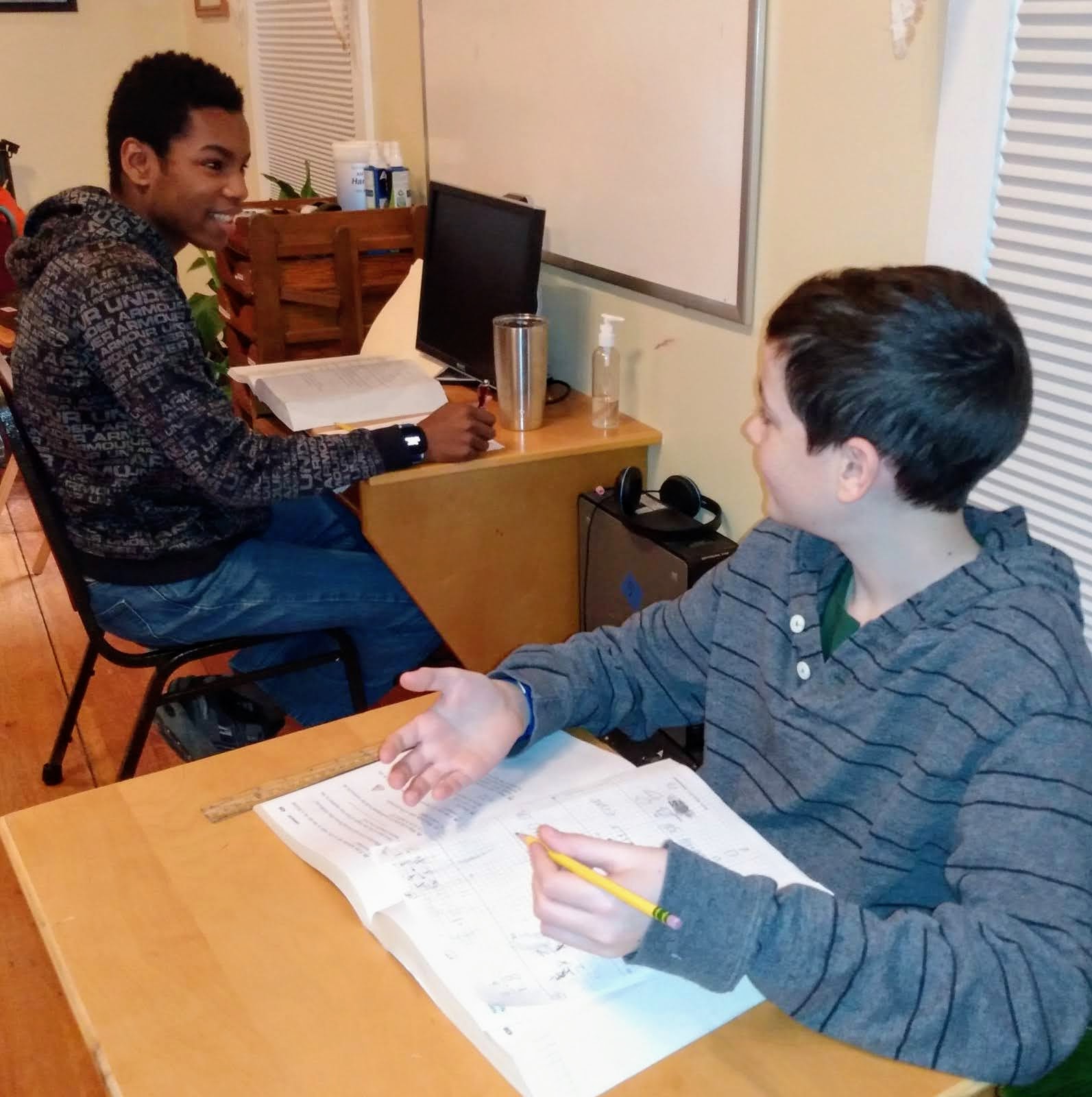
Small tables set near windows are available for individual work.
Our classes, which meet around large tables, enjoy an 8/1
student/teacher ratio. Our students have their own kitchenette with
access to a refrigerator, freezer, and microwave. We use safe, non-
toxic Shaklee cleaning products. Windows are frequently opened to
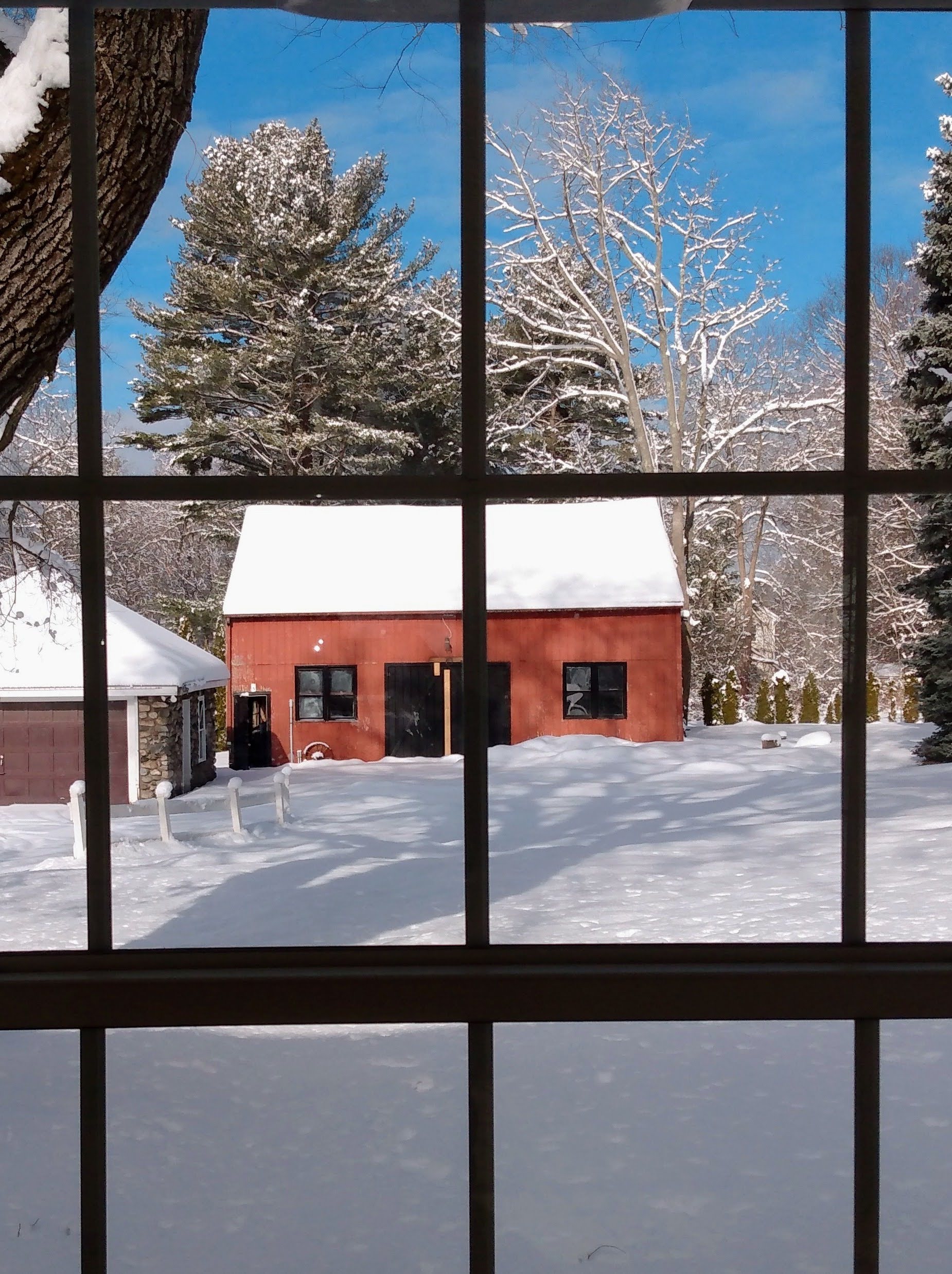
change the air. Our children are free to spend an hour every day in the
great outdoors.
How does
Plumfield benefit the whole family?